


City of Albany
Thriving southern destination!
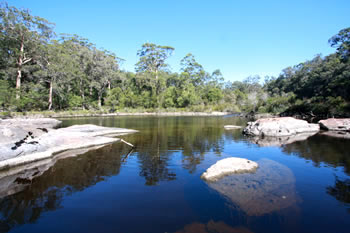
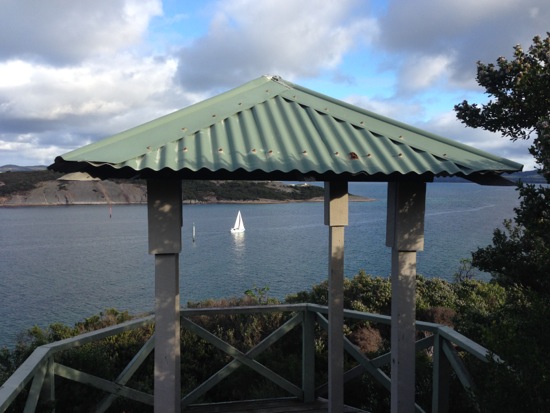
Albany City is vibrant, historic and naturally beautiful! Albany is set among the peaks of Mount Melville, Mount Clarence and Mount Adelaide, and nestled between the waterways of the Princess Royal Harbour, King George Sound, Kalgan River and Oyster Harbour. Albany is a premiere holiday destination only 450km south-east of Perth. The shops and restaurants are varied together in this modern yet traditional south coast city. Albany is surrounded by natural beauty and is a wonderful place to visit throughout the year, although during the summer months and during school holidays it swells with people from all walks of life! Accommodation Books Out Fast!
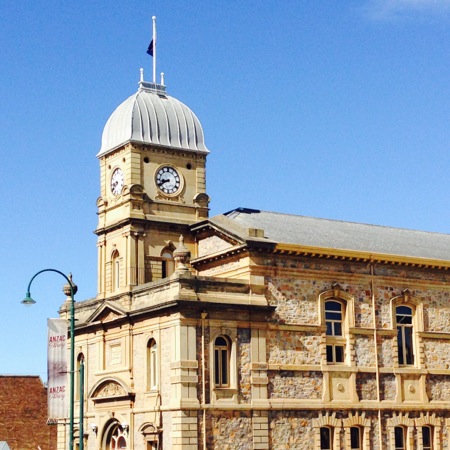
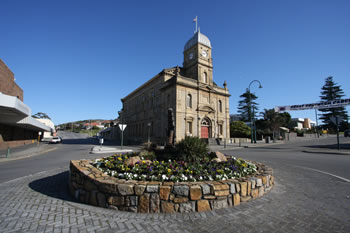
The Albany Town Hall (photo) is located on York Street, the main street in town which gently slopes toward the Princess Royal Harbour. This University City (UWA Albany Campus) is home to over 30,000. This family friendly destination offers great cuisine, a good range of boutiques and high street stores and all set with an impressive historic seaside backdrop! There are Outdoor Adventures galore and lots of ways to explore the peaceful and beautiful surrounding cliffs, rocks, beaches, oceans, forests and bushland.
Visitors to Albany
Albany is well regarded for its natural beauty and preservation of heritage as the oldest permanently settled town in Western Australia, before Perth and Fremantle were settled.The city is alive with the arts, with a live music scene. The state of the art Albany Entertainment Centre attracts International and National artists!
This bustling seaside location attracts leisure and business visitors alike and has been used for movies and TV productions!
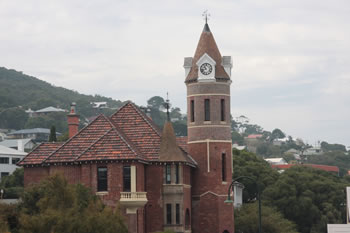
Old Albany Post Office Tower
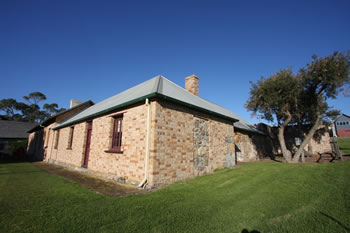
Albany Old Gaol and Museum
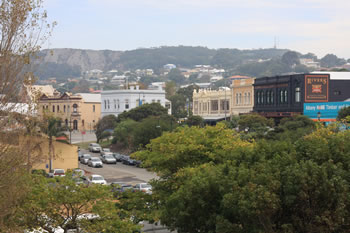
Albany is a beautiful city
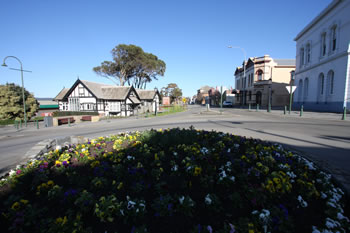
Albany Historical Precinct
Rich with History
Many of the original colonial buildings are now museums, restaurants and galleries which add to its uniqueness. Albany is Western Australia's first European settlement (1826).
Popular Destinations:
Albany's First Settlement
Albany was the first official settlement of Western Australia and it was also the departure point from which the ANZACs left for Gallipoli.
Albany's History and Photos of Albany pre 1918.
Albany has a number of historic sites including: the Albany Heritage Park, National ANZAC Centre, Princess Royal Fortress (commonly known as The Forts), Patrick Taylor Cottage, (the oldest dwelling in Western Australia, c1832), and the replica of the Brig Amity ship.
There is a memorial to the ANZAC Desert Mounted Corps on top of Mount Clarence, this was also where the first commemorative dawn service was held on 25 April 1923. A dawn service has been held ever since.
We acknowledge the Noongar people who are the traditional custodians of this land and pay our respects to Elders, both past and present.
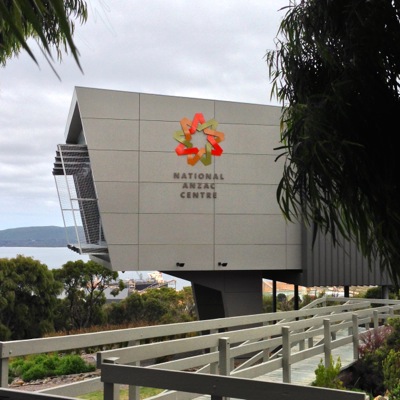
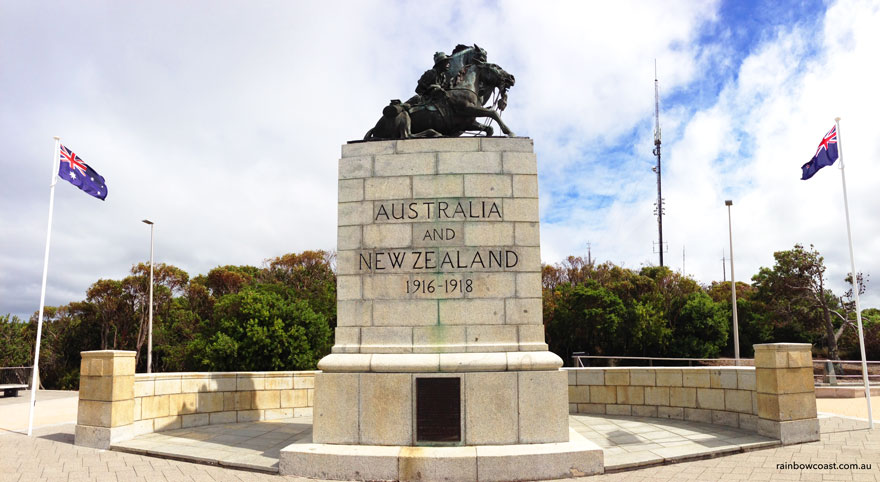
The Albany Region is a land of natural beauty
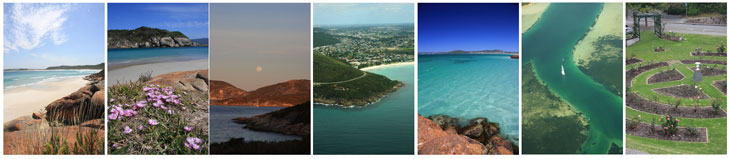
Albany's National Parks
Torndirrup National Park is home to the Gap, a 24 metre sheer cliff drop to the ocean and the Natural Bridge, a large granite rock, eroded to form an archway. The lookouts at both locations provide outstanding Southern Ocean views to West Cape Howe. Other notable lookouts and walk trails in the park include Jimmy Newells, Blow Holes, Salmon Holes, Misery Beach and Stony Hill. Fees apply.
West Cape Howe National Park has the southern most point of Western Australia and makes up the most westerly tip of the Great Australian Bight. This wilder area attracts campers, bushwalkers and fishermen and women. There are few facilities provided. The coastline of the National Park is dominated by sheer cliffs, rocky headlands, bush terrain and white secluded sandy beaches. Shelley Beach Lookout is a famous paragliding launch spot! Fees apply.
Gull Rock National Park is a small National Park situated 25 km southeast of Albany. It offers excellent views of King George Sound, the shipping lanes and Michaelmas Island just offshore.
Two People's Bay National Park has much to see and explore including Little beach, Waterfall Beach, Sinker Reef and the Two People's Bay Heritage Walking Trail. The Visitors Centre is informative with a small gift shop. Picnic tables and toilets are located a short walk from the car park.
The Annual All Parks Pass is extremely good value for money for extended tours or if you visit parks throughout the year.You can buy a park pass online and print it at home. When you are in a park that has entry fees, simply display it in your vehicle windscreen.
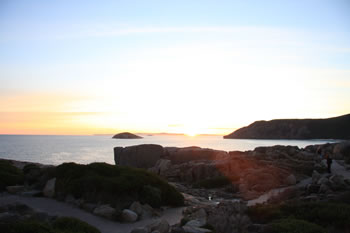 Torndirrup National Park
 Including The Gap, Natural Bridge, The Blowholes, Jimmy Newells Harbour, Stony Hill, Cable Beach & Stony Hill. Visit Torndirrup National Park
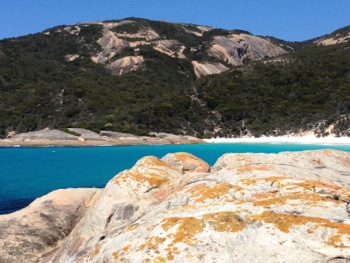 Two Peoples Bay NP
 Located approximately 25 kilometres north-east of Albany. Rediscovery of the presumed extinct noisy scrub-bird. Visit Two Peoples Bay NP
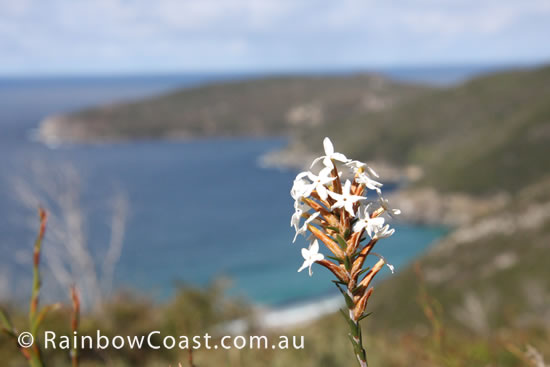 West Cape Howe National Park
 Containing the southernmost point of Western Australia this national park is astounding. Visit West Cape Howe National Park
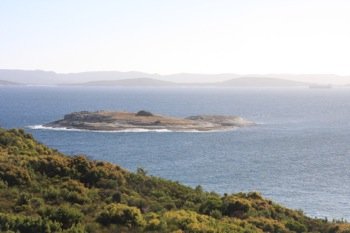 Gull Rock National Park
 25k east of Albany, Gull Rock National Park is a reserve for many endangered animals, trees and birds. Visit Gull Rock National Park
Beaches in and around Albany
There are many beaches surrounding the City of Albany, with Middleton Beach being the most popular, and the closest to the town centre, there are toilets, showers, , a children's playground, cafe and restaurant. This end of Middleton Beach is Ellen Cove.
View the Albany WA Beaches Map for all the Albany Beaches.
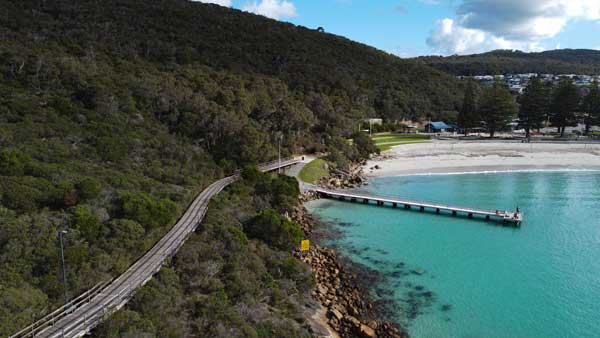
Middleton Beach, Albany, Western Australia
Whales visit Albany yearly
Albany is one of the best places in WA to venture out for day trips to see whales in the Great Southern Ocean.
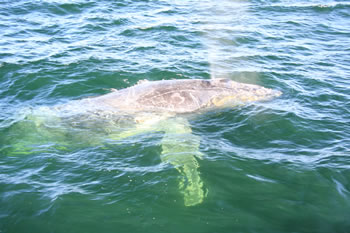
Despite Albany's whaling past, the Humpback and the Southern Right Whales use the sheltered southern bays for mating and raising their calves.
Whales are frequently spotted from the lookouts between May and October.
Bibbulmun Track Begins and Ends
Albany is the southern terminus of the Bibbulmun Track walking trail which goes North and ends close to Perth City, WA.
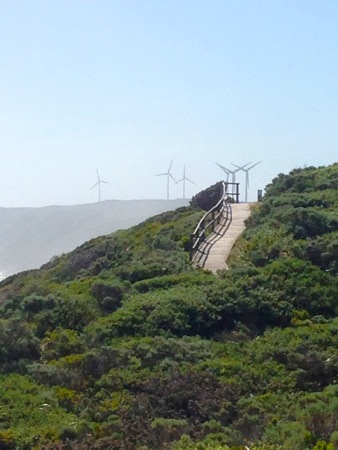
The Albany Wind Farm has 18 impressive turbines looking out over the Southern Ocean and across the Bibbulmun Track.
Wind Power
Over 200,000 visitors come to see the 18 spectacularly located eco-friendly wind turbines which sit proudly 65m high and 80m above the Southern Ocean. The 2 adjoining wind power plants, Albany and Grasmere together produce a capacity of 35.4 MW of electricity, 80% of Albany's total electricity needs! Pretty Impressive!
Albany Australia Attractions
Albany Australia is a very popular destination for Western Australians during school holidays, long weekends and getaways.
Albany is peaceful, safe and naturally beautiful... an vibrant environment with entertainment, history, delicious cuisine and a range of fabulous accommodation to suit everyone.
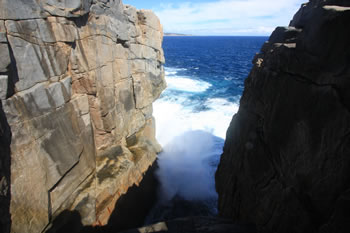
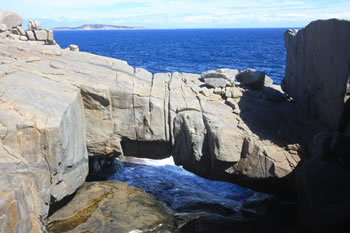 Natural Bridge
 The Natural Bridge is a granite formation caused by the gradual wearing away of the rock by the Great Southern Ocean. Visit Natural Bridge
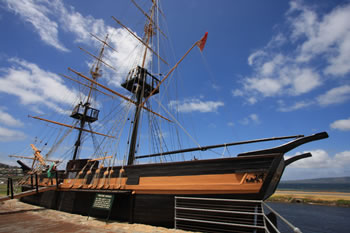 Brig Amity Replica
 Experience the first settlers arrival in Albany, the first settlement in Western Australia, from onboard a replica of the Amity. Visit Brig Amity Replica
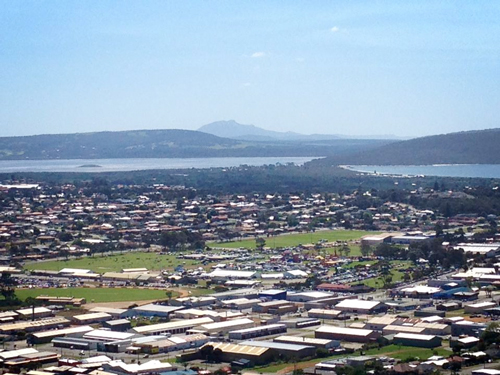 Albany Agricultural Show
 The Albany Show happens at the Albany Showgrounds, corner of Lockyer & Cockburn Rds in November each year. Visit Albany Agricultural Show
 Albany Farmers Market
 Saturday mornings. Fresh fruit and veggies from local growers. Organic produce available. Visit Albany Farmers Market
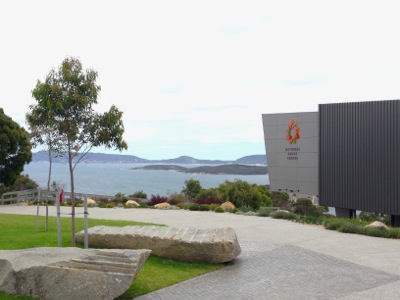 Albany Heritage Park
 The heritage park consists of the parklands and monuments of Mount Clarence and Mount Adelaide including the National ANZAC Centre. Visit Albany Heritage Park
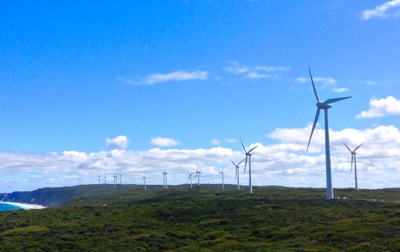 Albany Wind Farm
 Beautiful and productive green energy from the wind of the Torndirrup, just outside Albany City towards Frenchman Bay. Visit Albany Wind Farm
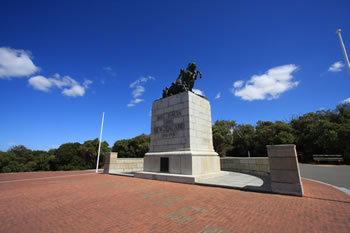 ANZAC Desert Mounted Corps Memorial
 ANZAC Desert Mounted Corps Memorial sits atop Mount Clarence. Visit ANZAC Desert Mounted Corps Memorial
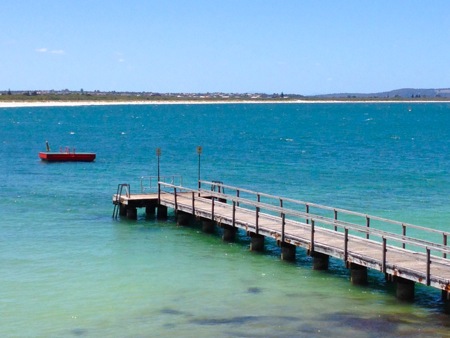 Ellen Cove
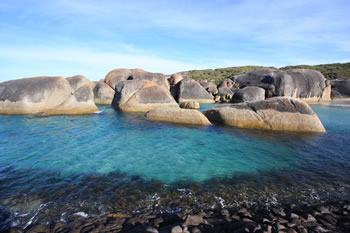
 Ellen Cove, Ellen Cove Boardwalk and Ellen Cove Pier are at the far southern end of Middleton Beach, Albany. Visit Ellen Cove
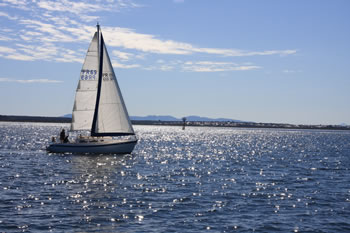 Former HMAS Perth Dive Wreck
 The Location of the Former HMAS Perth Dive Wreck for scuba divers. Visit Former HMAS Perth Dive Wreck
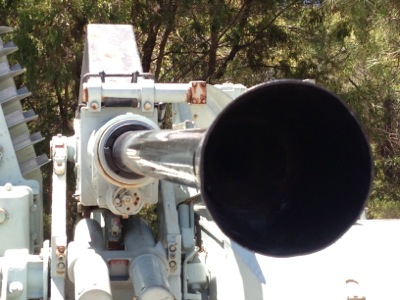 Princess Royal Fortress
 One of the best outdoor military museums in Australia. The Fortress is within the Albany Heritage Park, atop Mount Adelaide. Visit Princess Royal Fortress
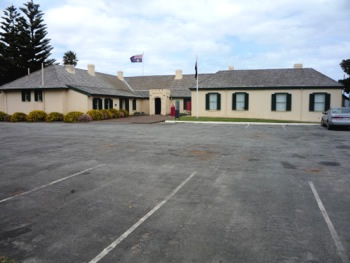 WA Museum Albany
 The Western Australian Museum Albany has exhibitions and information on the natural and social history of the region. Visit WA Museum Albany
Torndirrup National Park Attractions:
Torndirrup National Park Including The Gap, Natural Bridge, The Blowholes, Jimmy Newells Harbour, Stony Hill, Cable Beach & Stony Hill. Visit Torndirrup National Park
Natural Bridge The Natural Bridge is a granite formation caused by the gradual wearing away of the rock by the Great Southern Ocean. Visit Natural Bridge
Albany Wind Farm Beautiful and productive green energy from the wind of the Torndirrup, just outside Albany City towards Frenchman Bay. Visit Albany Wind Farm
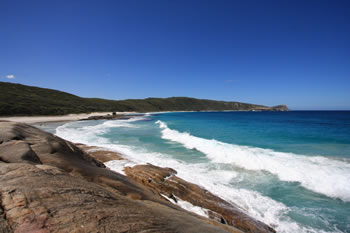 Cable Beach
 In the middle of the beach is a giant boulder which was lifted by the sea and placed onto the beach by the force of the waves. Visit Cable Beach
Former HMAS Perth Dive Wreck The Location of the Former HMAS Perth Dive Wreck for scuba divers. Visit Former HMAS Perth Dive Wreck
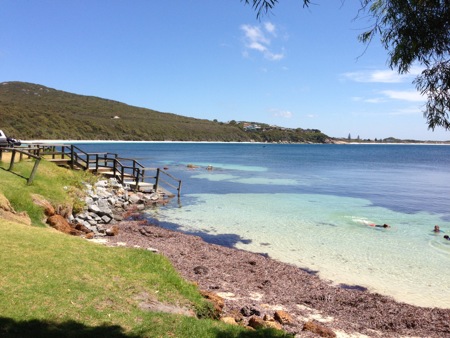 Frenchman Bay
 Located on the southern side of King George Sound this beautiful setting has a grassy picnic area, BBQs and boat launch. Ideal beachfront location for a great day out! Visit Frenchman Bay
 Jimmy Newells Harbour
 Jimmy Newells Lookout provides a breathtaking view of the harbour and great southern ocean. Visit Jimmy Newells Harbour
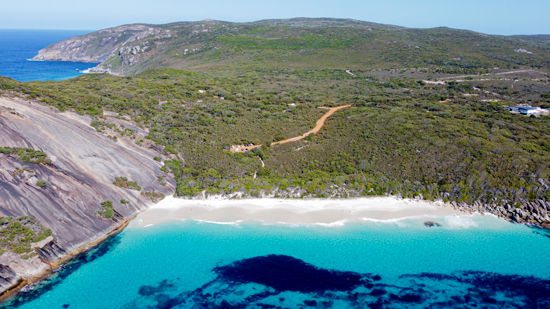 Misery Beach Albany
 Misery Beach is a hidden gem on the southern coast of Western Australia known for stunning natural beauty and a tranquil atmosphere. Visit Misery Beach Albany
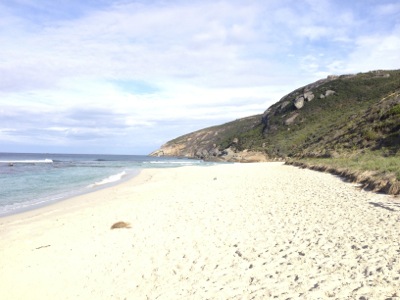 Salmon Holes
 Salmon Holes in Torndirrup NP offers incredible views from the lookout or descend to the white beach. Popular beach and rock fishing location. Visit Salmon Holes
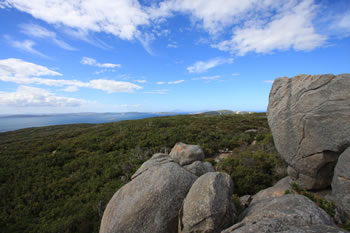 Stony Hill
 Stony Hill has a fabulous 500m fairly level circular walk which offers spectacular 360 degree views. Visit Stony Hill
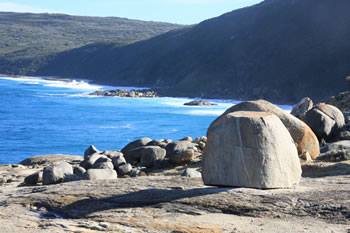 The Blowholes
 The Blowholes are crevasses in the granite stretching down to sea level far below. With each wave the holes blow air and water up the channel. Visit The Blowholes
Attractions in Albany and surrounds:
Brig Amity Replica Experience the first settlers arrival in Albany, the first settlement in Western Australia, from onboard a replica of the Amity. Visit Brig Amity Replica
Mount Clarence Visit the ANZAC Desert Corps Memorial and view the coast from Padre White Lookout or Apex Lookout at the summit. Visit Mount Clarence
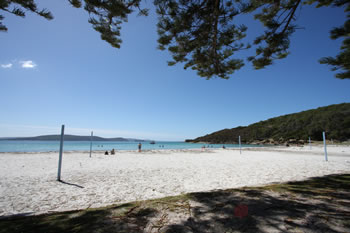 Middleton Beach
 The most popular beach in Albany. Swim or relax under the trees. Cafes and amenities. Visit Middleton Beach
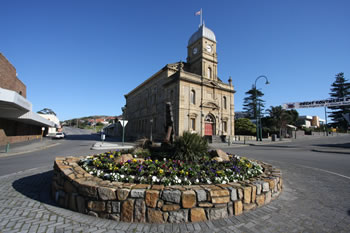 City of Albany
 Located between the hills of Mount Melville and Mount Clarence, the Nestled along the Princess Royal Harbour & King George Sound. Visit City of Albany
Albany Farmers Market Saturday mornings. Fresh fruit and veggies from local growers. Organic produce available. Visit Albany Farmers Market
Albany Heritage Park The heritage park consists of the parklands and monuments of Mount Clarence and Mount Adelaide including the National ANZAC Centre. Visit Albany Heritage Park
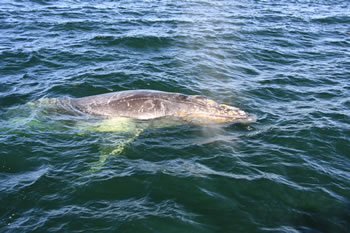 Albany Pier (Cruises & Whale Watching)
 Albany Pier for embarking on a whale watching tour. Visit Albany Pier (Cruises & Whale Watching)
Albany Wind Farm Beautiful and productive green energy from the wind of the Torndirrup, just outside Albany City towards Frenchman Bay. Visit Albany Wind Farm
ANZAC Desert Mounted Corps Memorial ANZAC Desert Mounted Corps Memorial sits atop Mount Clarence. Visit ANZAC Desert Mounted Corps Memorial
Ellen Cove Ellen Cove, Ellen Cove Boardwalk and Ellen Cove Pier are at the far southern end of Middleton Beach, Albany. Visit Ellen Cove
Frenchman Bay Located on the southern side of King George Sound this beautiful setting has a grassy picnic area, BBQs and boat launch. Ideal beachfront location for a great day out! Visit Frenchman Bay
Misery Beach Albany Misery Beach is a hidden gem on the southern coast of Western Australia known for stunning natural beauty and a tranquil atmosphere. Visit Misery Beach Albany
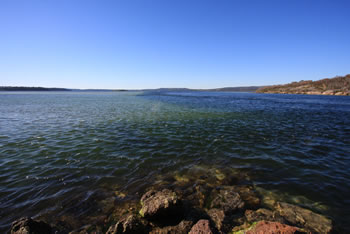 Oyster Harbour
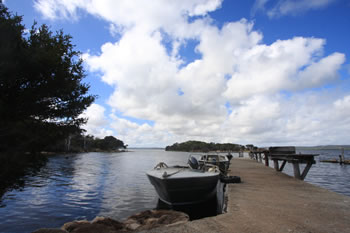
 Oyster Harbour, on the north eastern side of Albany flows into the King George Sound past Emu Point. Visit Oyster Harbour
Princess Royal Fortress One of the best outdoor military museums in Australia. The Fortress is within the Albany Heritage Park, atop Mount Adelaide. Visit Princess Royal Fortress
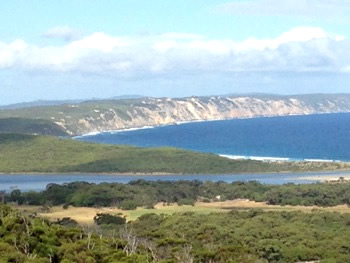 Top 10 Places to Visit
 Filled with many magical and majestic natural wonders, the best places are on the coast to enjoy... Visit Top 10 Places to Visit
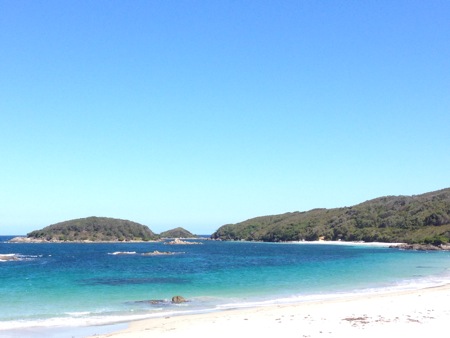 Top Beaches
 Pristine, clean and just like paradise. Swim in the rock pools, swim in clear waters, secluded bays, or snorkel around giant boulders all on the Rainbow Coast. Visit Top Beaches
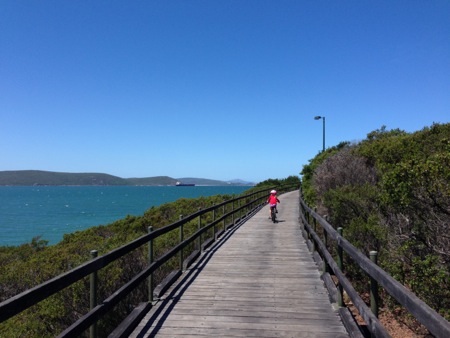 Top Biking Locations
 Top locations along the coast to start a bike ride. Tap the markers for information about the locations on the Map below. Visit Top Biking Locations
Top Historical Locations The Rainbow Coast is a historical destination. These are the most historical places to visit. Tap the markers for information about the locations on the Map below. Visit Top Historical Locations
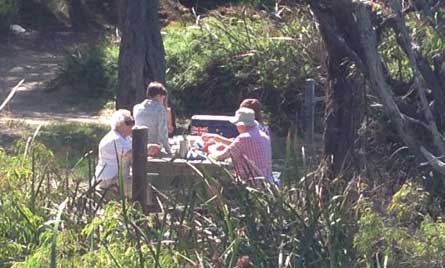 Top Picnic Spots
 Looking for a nice picnic spot, try these favourite picnic locations along the coast. Tap the markers for information about the locations on the Map below. Visit Top Picnic Spots
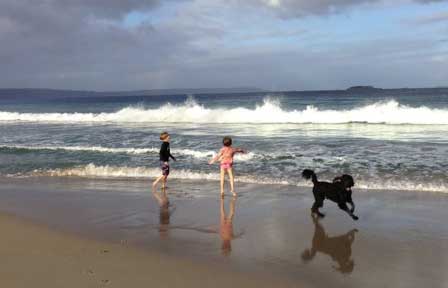 Top Places for Dogs
 If you have brought your four legged friend with you on holiday then you will need to know when you can take them for exercise and fun. Visit Top Places for Dogs
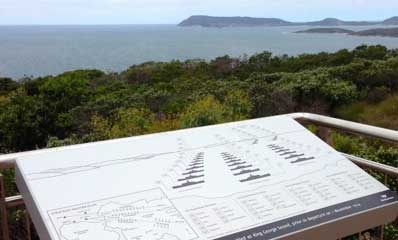 Top Places for Elders
 Accessible and elder-friendly locations along the south coast. Tap the markers for information about the locations on the Map below. Visit Top Places for Elders
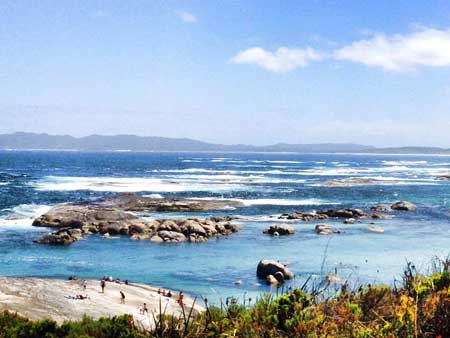 Top Places to Take Kids
 Kids love it on the Rainbow Coast. The spectacular coastline is family friendly and welcoming. Visit Top Places to Take Kids
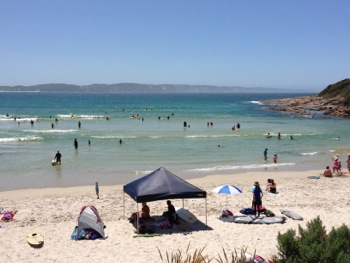 Top Surf Spots
 The waters of the spectacular Rainbow Coast are very tempting and there are quite a few places to catch the waves. Visit Top Surf Spots
 WA Museum Albany
 The Western Australian Museum Albany has exhibitions and information on the natural and social history of the region. Visit WA Museum Albany
Accommodation in Albany Australia:









Other amazing locations in the South-West of Western Australia!
More information on the south-west coast in our other Western Australian travellers guides:
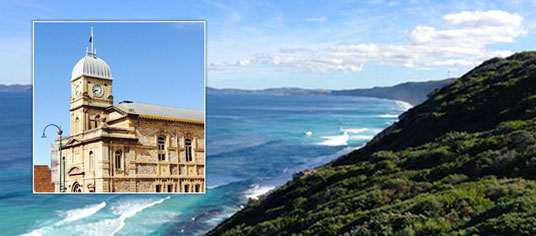
Albany Tourist Information:
Albany WA
The Albany is the oldest settlement in Western Australia. Filled with history, surrounded by beaches and waterways, and a great place to visit while on holiday on the south coast of WA. Visit Albany today.
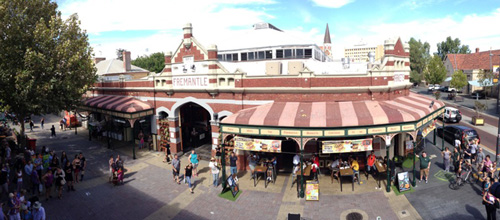
Have you visited?
Fremantle WA
Fremantle, the Port City, is located south-west of Perth at the mouth of the Swan River. Fremantle's vibrant nightlife, music scene and cafe' culture make Fremantle a perfect getaway from the bustle of Perth. Beaches, history, shopping, dining out, and more. VISIT FREMANTLE
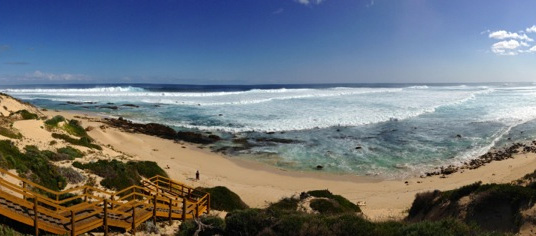
Have you visited?
Margaret River, WA
The Margaret River Region is an area of magnificent beauty on the western coast of the south west of WA. From the expansive shores of Busselton on Geographe Bay, through Dunsborough & Margaret River to Augusta, the Margaret River Region is fantastic. VISIT MARGARET RIVER
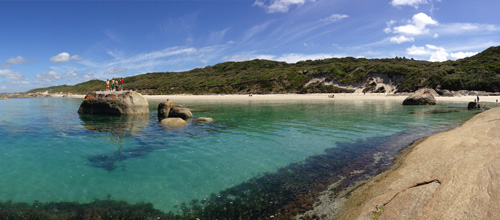
Have you visited?
Denmark WA
Denmark WA is one of the most beautiful places along the south coast as it has forests, beaches, rivers and waves. Everything you need for the perfect south coast holiday. Denmark Wineries are popular too! Info on Denmark Town including shopping, dining & history, VISIT DENMARK WA