


South Coast Seasons Calendar
 The weather of the Rainbow Coast is
most accurately described by the Noongar people of the south west. The Noongar, having lived in the South West for
centuries, have divided the year into six distinct seasons that
are more accurate than our traditional
four - and more precise for deciding when to visit!
The weather of the Rainbow Coast is
most accurately described by the Noongar people of the south west. The Noongar, having lived in the South West for
centuries, have divided the year into six distinct seasons that
are more accurate than our traditional
four - and more precise for deciding when to visit!
A frequent mix of showers and sun in Makuru and Djilba create the magical Rainbows from which the coast gets its name. The strength of nature is ever present, with a landscape dominated by waterways and wilderness. Read our page about the South West's Climate. Go down the page to see Photos of the Seasons.
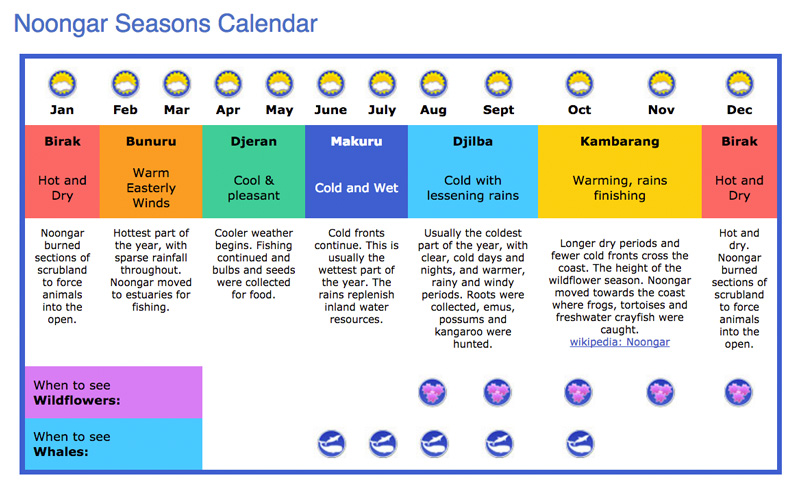
Wildflowers Calendar - Aug, Sept, Oct, Nov, Dec

The wildflower seasons is outlined below as a guide. Visit the Tourist Information for more details when you arrive. More information can be found here on Wildflowers including a Wildflowers of the South West Photo Gallery.
Djilba, Kambarang & Early Birak is Wildflower Season
The height of the wildflower season lasts several months along the coast, and the variety of flora can be found no where else on earth.
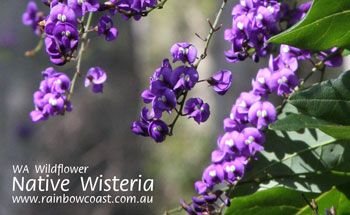
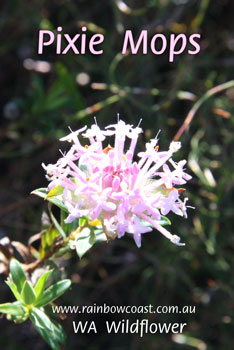
Find out more about the Wildflowers of the South Coast.
Whales along the Coast - June, July, Aug, Sept, Oct

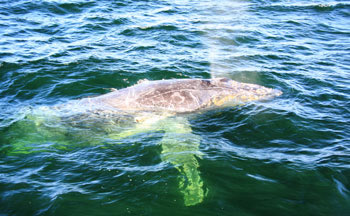
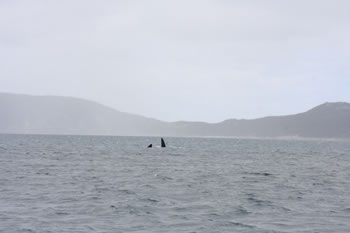
We saw our first whale off the Torndirrup Peninsula near the Blowholes, since then we have sighted dozens of whales from both the shore and Whale Tours. It was beautiful to watch the humpback whales glide and splash, spouting water into the sky every so often. Majestic and magical creatures these are... Read more detailed information on the Whales of the Southern Ocean along the Rainbow Coast.
Weather along the coast
The locals know it as the best weather in WA. The frequent mix of showers and sun in wintertime create the magical Rainbows from which the coast gets its name.
Winter is not as wet as you might expect. Even during the rainiest parts of the year there are exceptional days for touring the coast. This is when the Whales, Wildflowers and Waterbirds frequent the area.
The weather in Albany, Denmark and Walpole is always slightly different. Albany being slightly rainier than Denmark, Walpole slightly more humid beneath the forest canopy. Scroll down for photos of the seasons.
Current Weather on the Coast
Weather in Albany
Weather in Denmark
Weather in Walpole
Photographs of the Seasons of the South Coast
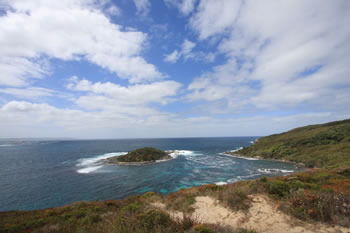
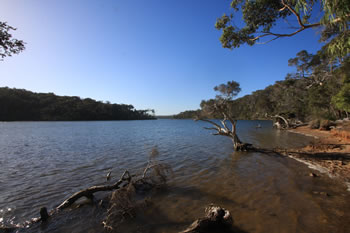
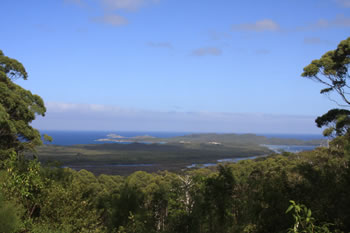
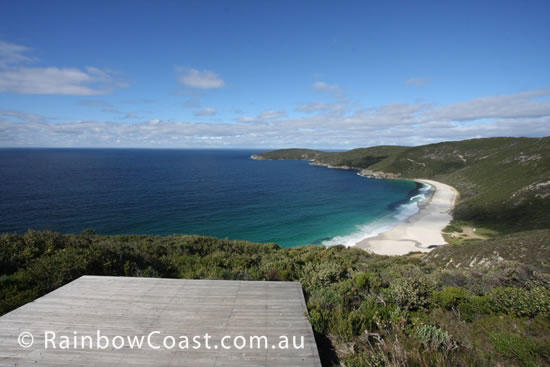
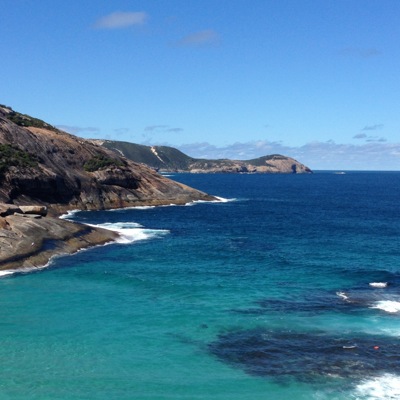
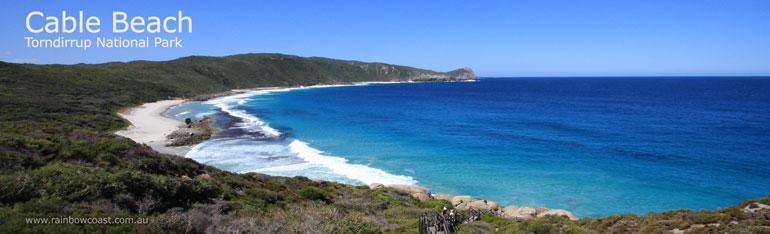
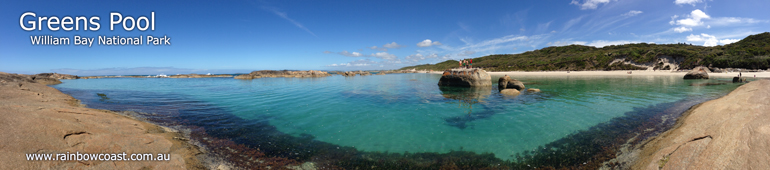
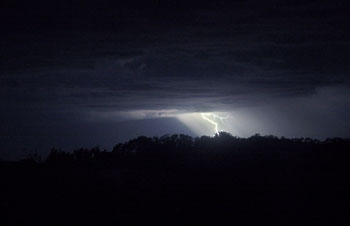
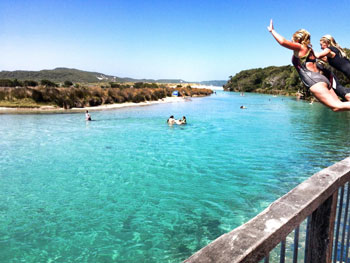
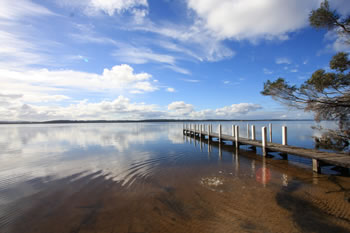
Here are some photographs of the Seasons of the south coast. The Rainbow Coast is only named this because of the rainbows that appear predominantly in Winter... but the rest of the time the weather is beautiful...
Late Summer (Bunuru) on the Rainbow Coast
Autumn (Djeran) on the Rainbow Coast
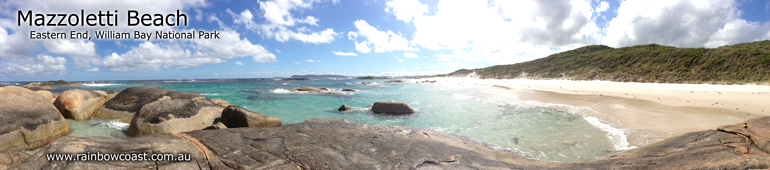
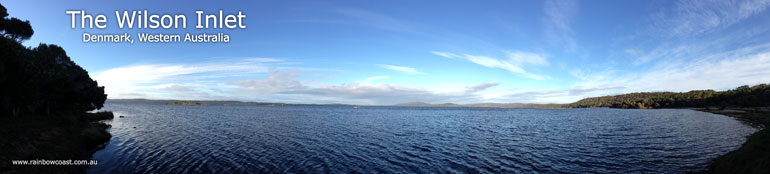
Winter (Makuru) on the Rainbow Coast: Albany, Denmark, Walpole
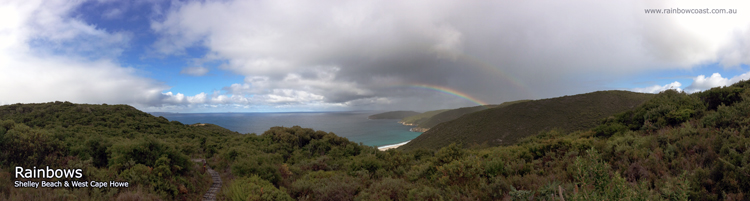
Early Spring (Djilba) on the Rainbow Coast: Albany, Denmark, Walpole
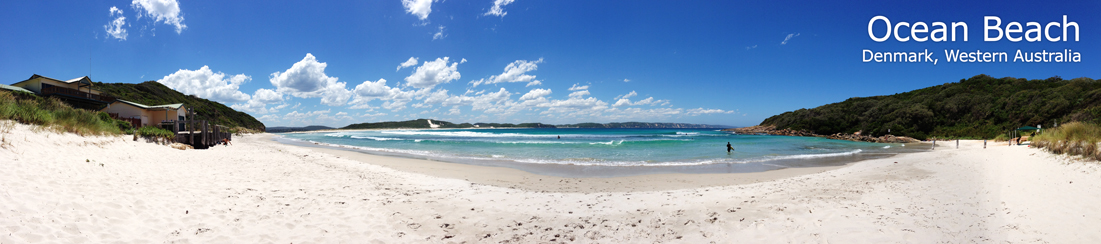
Spring (Kambarang) on the Rainbow Coast: Albany, Denmark, Walpole
Rainbows on the coast?
Being at this distance 'downunder' - the Rainbow Coast is perfectly placed to enjoy the spectacle of rainbows.
Makuru and Djilba (ie: winter) could be renamed Rainbow Season.
During the winter months, when the sun is within 42 degrees of the horizon, the rain usually comes off the ocean from the south west which means, thanks to geometry, "rainbows, rainbows everywhere!" Learn more about Rainbows!
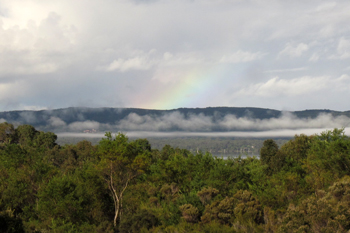
Rainbow over the Wilson Inlet reflecting off the morning mist. Denmark.
Additional resources for visiting the Rainbow Coast:
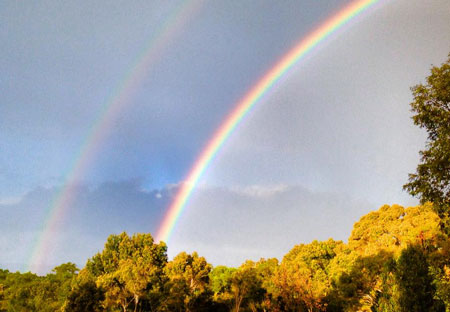 Seasons of the Coast
 You will find a Seasons Calendar with Wildflower and a Whales to help you plan your visit to the South Coast - The Rainbow Coast! Visit Seasons of the Coast
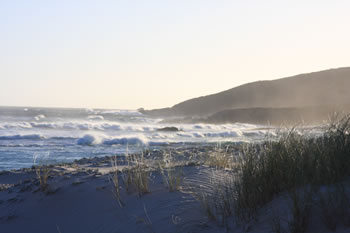 South Coast Beaches Map
 South Coast Beaches from west of Walpole to East of Albany all on one map! Visit South Coast Beaches Map
 South Coast Weather
 The climate of the Rainbow Coast is considered to be "the best in the world," according to those who live here. Visit South Coast Weather
Rainbow Coast Regions:
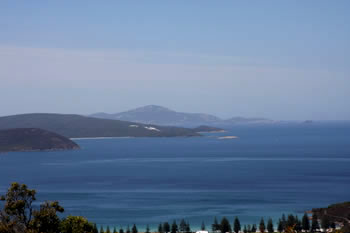 Albany Region
 The Albany Region of Western Australia is a land of mountains and waterways. An amazing region to explore. Visit Albany Region
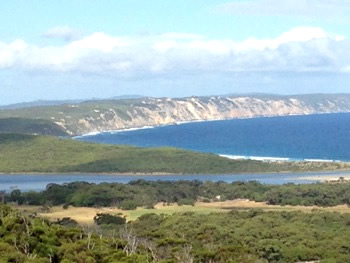 Denmark Region
 The Denmark Region is gorgeous. Trees, hills, beaches, rocks, wildlife around the river and the inlet. Visit Denmark Region
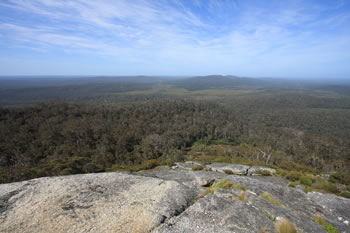 Walpole Region
 Walpole is the western end of the Rainbow Coast and is surrounded by National Park and forested wilderness. Visit Walpole Region
Main Attractions on the Coast:
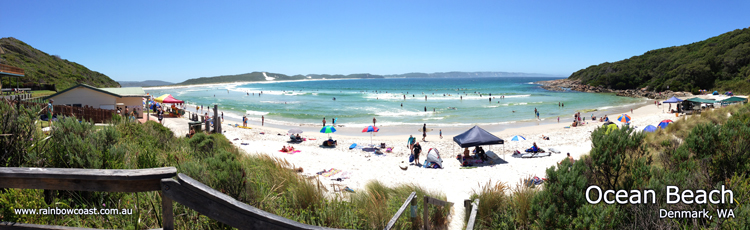
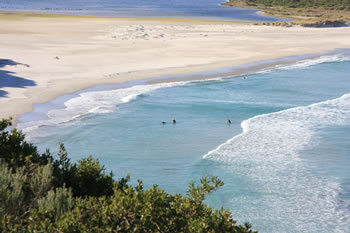 Ocean Beach
 Ocean Beach is set between the Wilson Inlet and the Great Southern Ocean, and is the closest beach to Denmark Town. A popular surfing spot and lookout.. Visit Ocean Beach
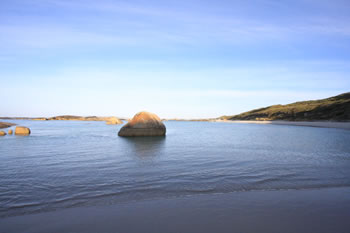 Greens Pool
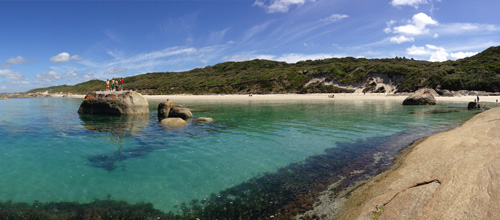
 Almost completely sheltered from the waves of the Great Southern Ocean, Greens Pool is a paradise. Visit Greens Pool
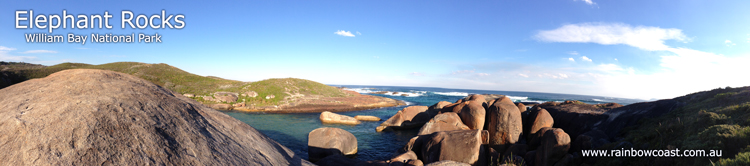
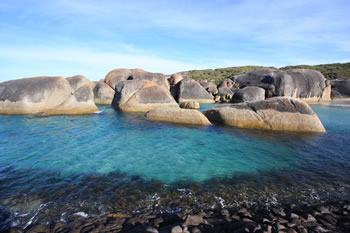 Elephant Rocks
 Giant rocks shaped like elephants stand together facing into the waves of the Great Southern Ocean Visit Elephant Rocks
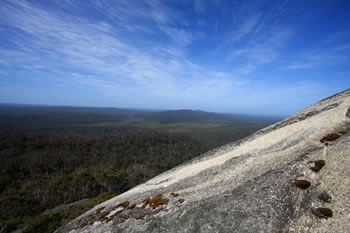 Mount Frankland
 Starting in the karri trees you wind up and through towards the summit of Mt Frankland way above the tree top canopy. Visit Mount Frankland
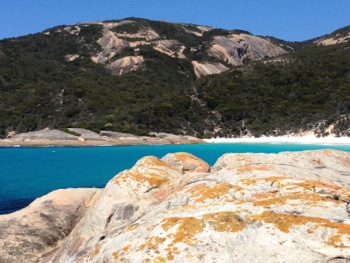 Two Peoples Bay NP
 Located approximately 25 kilometres north-east of Albany. Rediscovery of the presumed extinct noisy scrub-bird. Visit Two Peoples Bay NP
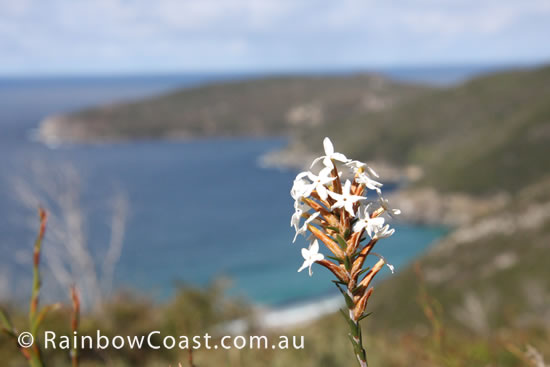 West Cape Howe National Park
 Containing the southernmost point of Western Australia this national park is astounding. Visit West Cape Howe National Park
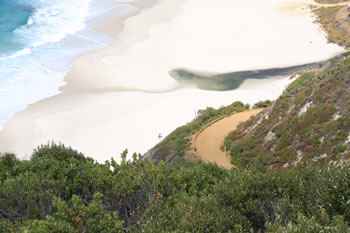 Shelley Beach
 Turquoise waters, verdant surrounds and ocean breeze make this beach a popular yet remote destination. Visit Shelley Beach
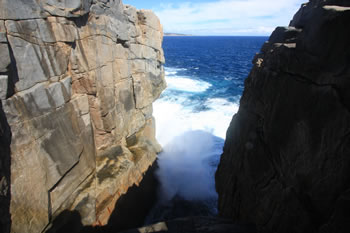
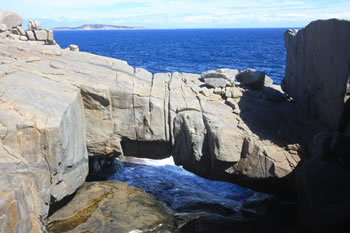 Natural Bridge
 The Natural Bridge is a granite formation caused by the gradual wearing away of the rock by the Great Southern Ocean. Visit Natural Bridge
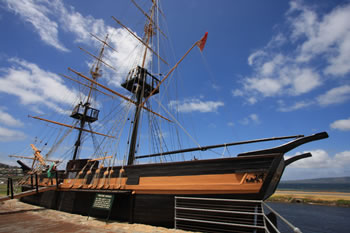 Brig Amity Replica
 Experience the first settlers arrival in Albany, the first settlement in Western Australia, from onboard a replica of the Amity. Visit Brig Amity Replica
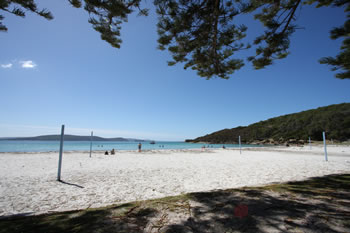 Middleton Beach
 The most popular beach in Albany. Swim or relax under the trees. Cafes and amenities. Visit Middleton Beach
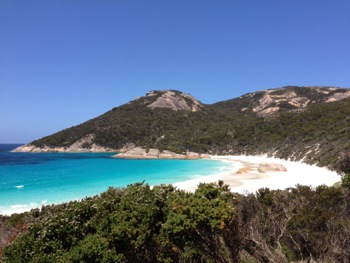 Little Beach
 This gorgeous beach is approximately 25 kilometres north east of Albany in Two Peoples Bay National Park. Visit Little Beach
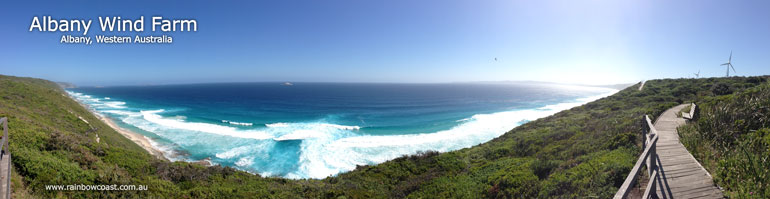
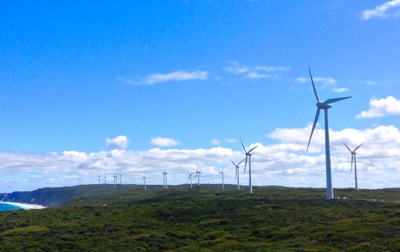 Albany Wind Farm
 Beautiful and productive green energy from the wind of the Torndirrup, just outside Albany City towards Frenchman Bay. Visit Albany Wind Farm
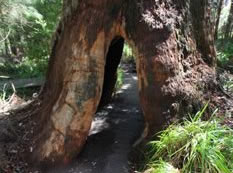 Ancient Empires Walk
 The Ancient Empires Walk takes you through the forest at the base of the Giant Tingle Trees at the Treetop Walk. Visit Ancient Empires Walk
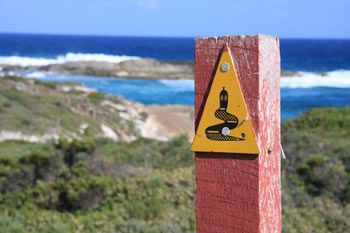 Bibbulmun Track
 The Bibbulmun Track stretches from Kalamunda in the Perth hills to Albany, through many locations in the heart of the Rainbow Coast. Visit Bibbulmun Track
 Denmark Wineries
 Denmark Wineries and Vineyards to visit while on holiday along the Rainbow Coast. Wineries with restaurants, music, cellar doors and more! Visit Denmark Wineries
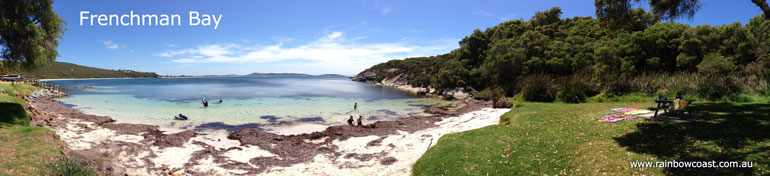
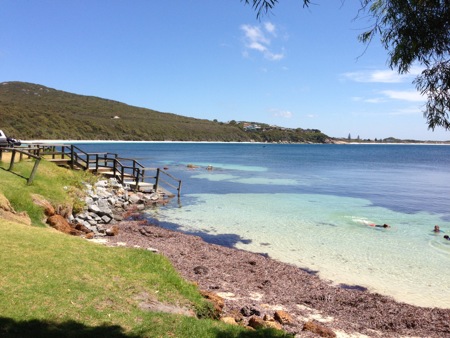 Frenchman Bay
 Located on the southern side of King George Sound this beautiful setting has a grassy picnic area, BBQs and boat launch. Ideal beachfront location for a great day out! Visit Frenchman Bay
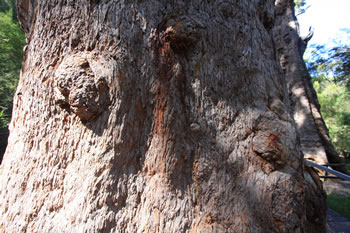 Giant Tingle Tree
 This Giant Tingle Tree is special because it the oldest living eucalypt in the world. It is an 800 metre walk from the car park to the Giant Tingle and back. Visit Giant Tingle Tree
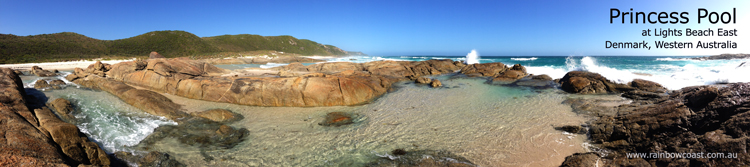
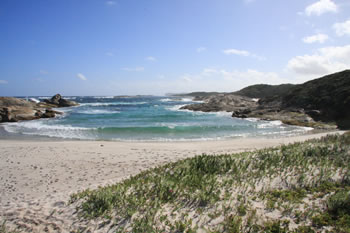 Lights Beach
 Inspiring lookout and beach offering spectacular views of William Bay from the east. A favourite local beach. Visit Lights Beach
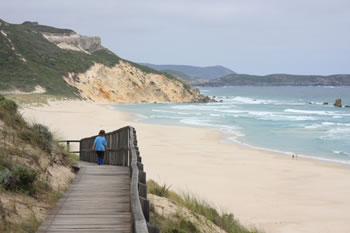 Mandalay Beach
 Spectacular views to Chatham Island, gorgeous white sandy beach it is a must-see... sometimes the shipwreck is visible too. Visit Mandalay Beach
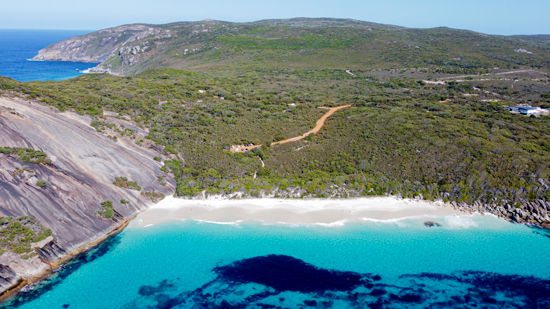 Misery Beach Albany
 Misery Beach is a hidden gem on the southern coast of Western Australia known for stunning natural beauty and a tranquil atmosphere. Visit Misery Beach Albany
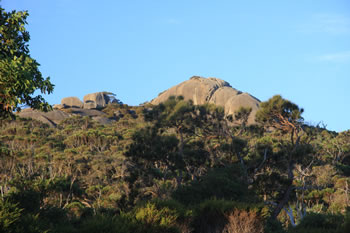 Monkey Rock
 Spectacular elevated views over William Bay Nat. Park, Ratcliffe Bay, Ocean Beach and the Nullaki Peninsula. Visit Monkey Rock
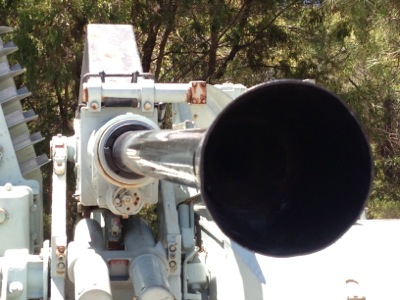 Princess Royal Fortress
 One of the best outdoor military museums in Australia. The Fortress is within the Albany Heritage Park, atop Mount Adelaide. Visit Princess Royal Fortress
South Coast Beaches Map South Coast Beaches from west of Walpole to East of Albany all on one map! Visit South Coast Beaches Map
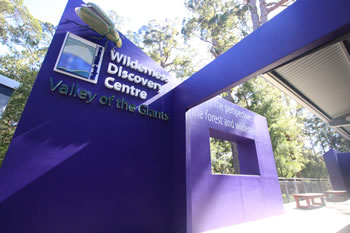 Valley of the Giants
 The Valley of the Giants Wilderness Discovery Centre at the Treetop Walk is the most visited place on the Rainbow Coast. Visit Valley of the Giants
Other amazing locations in the South-West of Western Australia!
More information on the south-west coast in our other Western Australian travellers guides:
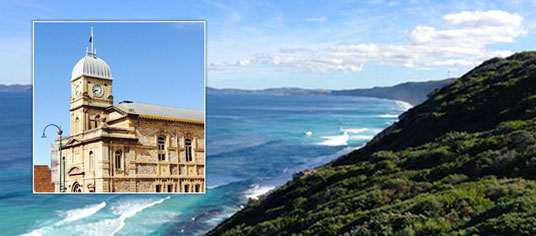
Albany Tourist Information:
Albany WA
The Albany is the oldest settlement in Western Australia. Filled with history, surrounded by beaches and waterways, and a great place to visit while on holiday on the south coast of WA. Visit Albany today.
Have you visited?
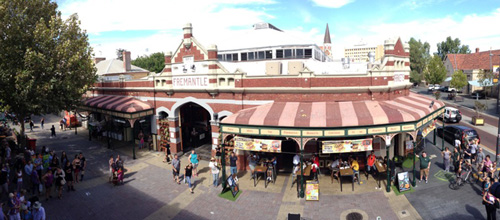
Fremantle WA
Fremantle, the Port City, is located south-west of Perth at the mouth of the Swan River. Fremantle's vibrant nightlife, music scene and cafe' culture make Fremantle a perfect getaway from the bustle of Perth. Beaches, history, shopping, dining out, and more. VISIT FREMANTLE
Have you visited?
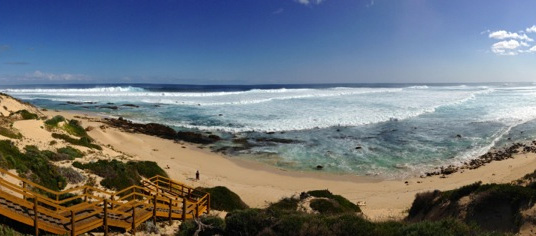
Margaret River, WA
The Margaret River Region is an area of magnificent beauty on the western coast of the south west of WA. From the expansive shores of Busselton on Geographe Bay, through Dunsborough & Margaret River to Augusta, the Margaret River Region is fantastic. VISIT MARGARET RIVER
Have you visited?
Denmark WA
Denmark WA is one of the most beautiful places along the south coast as it has forests, beaches, rivers and waves. Everything you need for the perfect south coast holiday. Denmark Wineries are popular too! Info on Denmark Town including shopping, dining & history, VISIT DENMARK WA